
News & Analysis
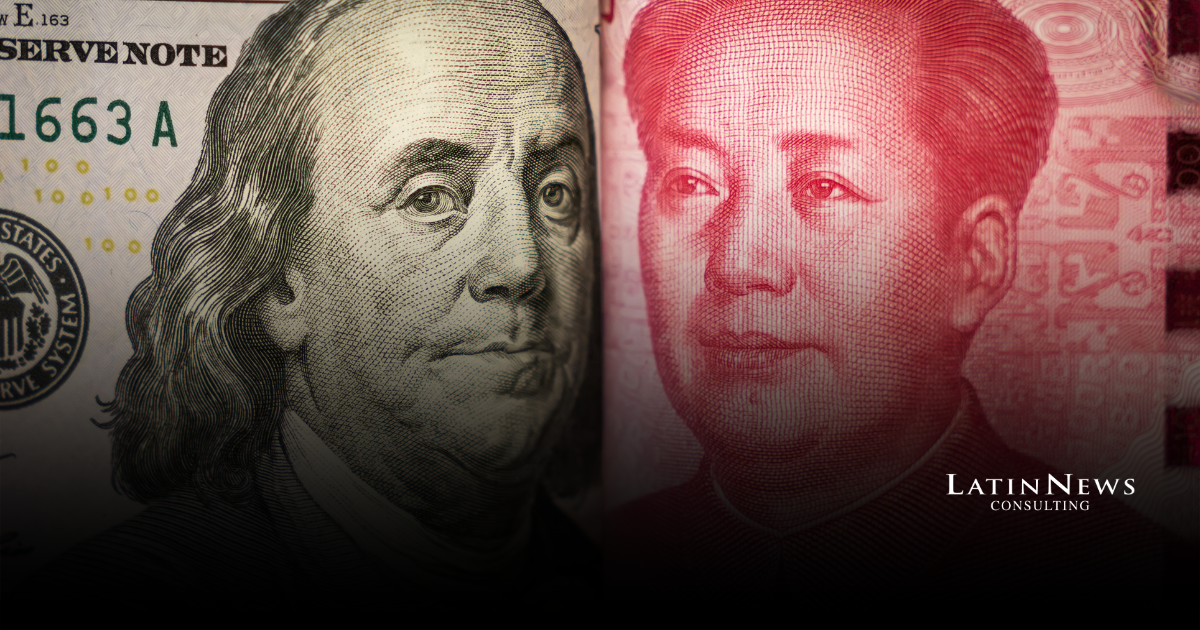
The US-China stand off
It is widely believed that China has dominated the growing REE industry, and that it was much quicker than the United States to understand its strategic value. By 2019 China was supplying around 90% of global demand for the 17 REE powders. It also currently controls 70% of global rare earth processing capacity.
Where are they?
The global distribution of REEs and critical minerals – an accident of nature and geology - has been favourable to Latin America. The region is believed to control 65% of global lithium reserves, 40% of global copper deposits, and around 15% of REEs. In Argentina alone the assessment of lithium reserves has increased by a potential 40% thanks to recent geological exploration. Latin American countries with significant REE and critical minerals reserves include Brazil, Bolivia, Chile, Peru, and Argentina.
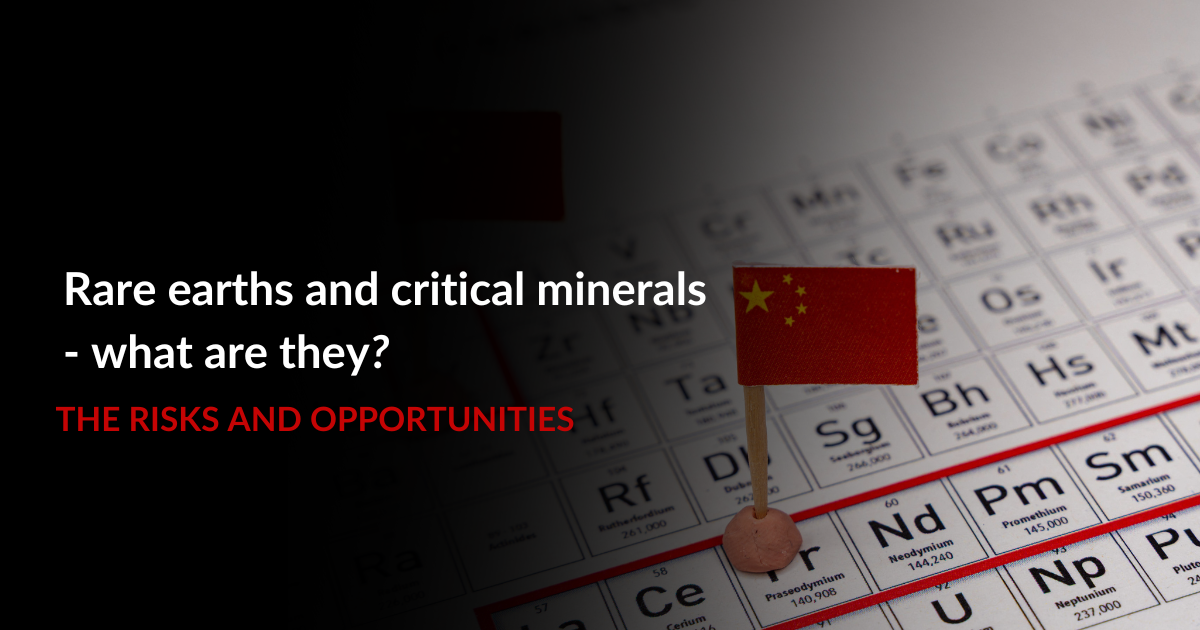
Rare earths and critical minerals - what are they?
Perhaps the first question to ask about rare earth elements (REE) and critical minerals is what are they are and where they are? The US Geological Survey identifies around 50 “critical materials” judged to be essential for renewable energy projects, defence systems, and advanced manufacturing. REEs are a sub-set of this bigger group which are also used in applications such as mobile phones and wind turbines. Critical minerals also include lithium, copper, and nickel.
The risk of Milei’s shock economic opening for Argentina
Many of Argentina’s industry leaders were initially enthusiastic supporters of President Javier Milei’s proposals to downsize the state, fix public finances, and deregulate business activity. But more than halfway through Milei’s four-year term, they have become alarmed as the liberal economist’s ‘shock therapy’ has soured business and in some cases threatened to wipe out their existence entirely.
Panama strengthens ties with the US
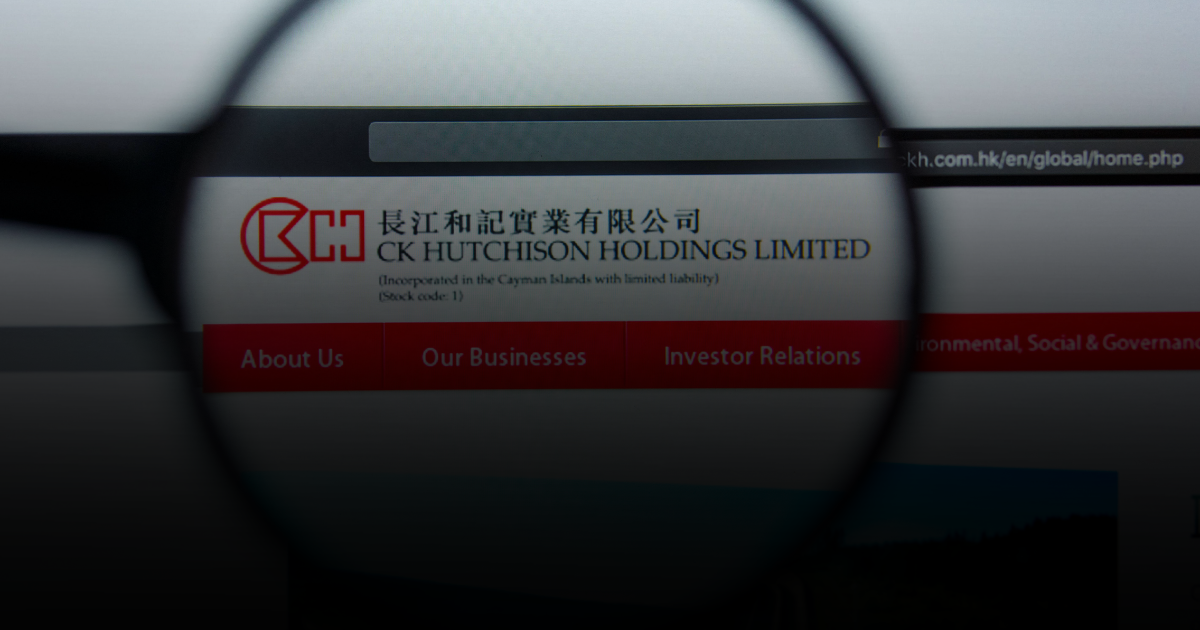
A 29 January ruling by Panama’s supreme court (CSJ) striking down a concession for two ports on the Panama Canal owned by Hong Kong-headquartered CK Hutchison Holdings (CKH) via its subsidiary Panama Ports Company (PPC) is widely considered a victory for the US, which has sought to curb Chinese influence in the region.

US aims to steer Venezuela after capturing Maduro
The 13-year presidency of Nicolás Maduro (2013-2026) came to a dramatic end on 3 January when US special forces seized the Venezuelan leader and his wife against a backdrop of airstrikes in Caracas and whisked them away to face drugs and weapons charges in a New York courtroom. Few Venezuelans will miss Maduro, who after a narrow victory in the 2013 election clung to power through ever more repressive and dictatorial means.
NICARAGUA: Rights concerns over Chinese mining concessions
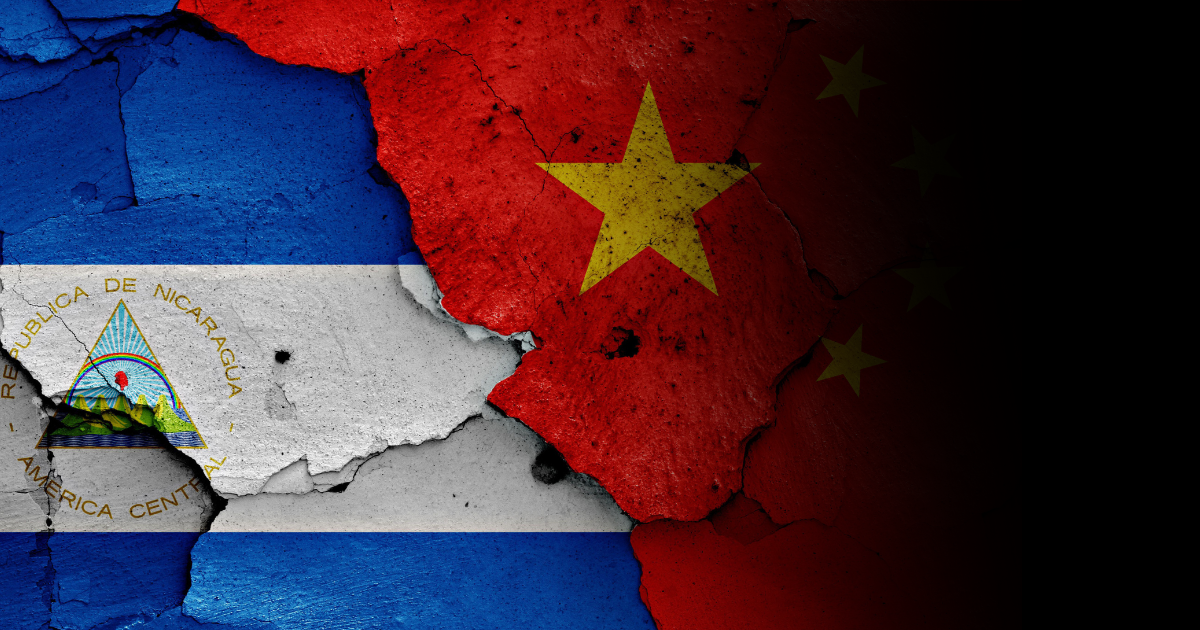
In October Nicaraguan civil rights groups expressed fresh concerns that Chinese mining firms are being allowed to operate in the country by the authoritarian government led by co-presidents Daniel Ortega and his wife, Rosario Murillo, without any respect for the environment or the rights of local indigenous communities.
The silver lining in a month-long national strike in Ecuador
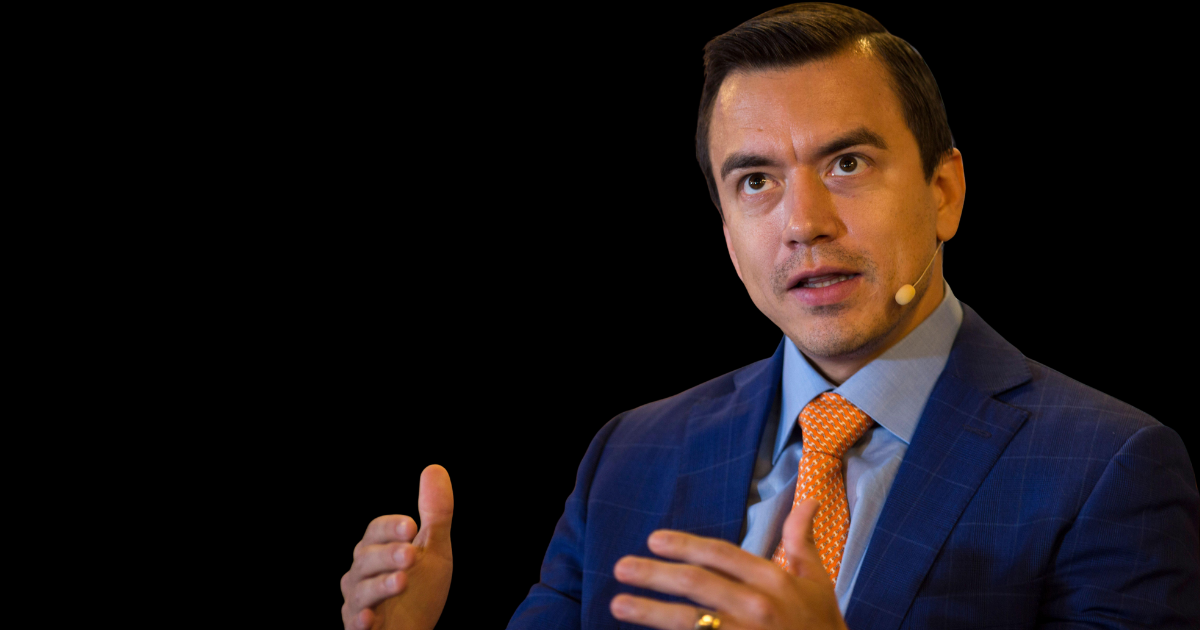
A month-long protest campaign by Ecuador’s umbrella indigenous organisation Confederación de Nacionalidades Indígenas del Ecuador (Conaie) from 22 September-22 October over diesel subsidy cuts caused US$300m in economic damages, resulted in three deaths, and paralysed parts of the country. And yet, it could have been much worse. Previous strikes against attempted fuel subsidy cuts in 2022 cost over US$1.1bn.

Boost for Paraguay’s Cartes as US lifts sanctions
The US has lifted sanctions on Paraguay’s former president Horacio Cartes, raising questions about shifting political alignments in the region. While Washington tightens its stance on Venezuela, the easing of pressure on Cartes, now a key political force in Paraguay, has sparked speculation about quiet diplomacy, strategic tradeoffs and the growing influence of Cartismo under President Santiago Peña.

Melissa wreaks havoc in Jamaica/Cuba
On 28 October Hurricane Melissa made landfall in Jamaica, bringing heavy rainfall, triggering landslides and flash floods, and inflicting widespread infrastructural damage, before moving on towards Cuba.
Guyana’s re-elected Irfaan Ali sets out five-year plan
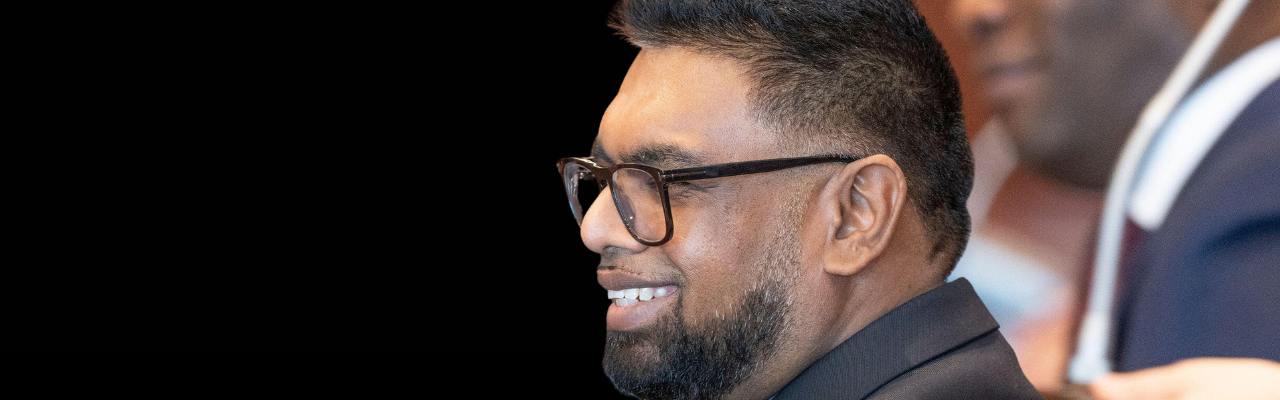
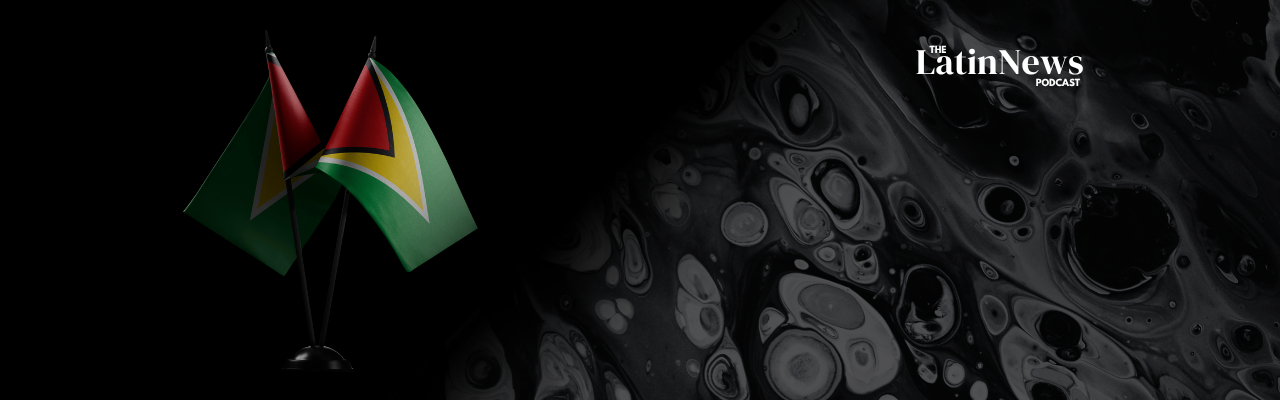
Recently, the electoral pattern across Latin America and the Caribbean has been for incumbent governments to be thrown out by voters angered by poor economic performance. In Guyana, President Irfaan Ali of the People’s Progressive Party/Civic (PPP/C) has bucked the trend: in polls on 1 September, he was re-elected to serve another five-year term.
Guyana's New Political Climate
Newly re-elected President Irfaan Ali will have to move fast on promises to convert his country's sizable oil income into tangible benefits for Guyana's poor, beyond huge prestige infrastructure projects.
Bolivia set for change as conservatives triumph
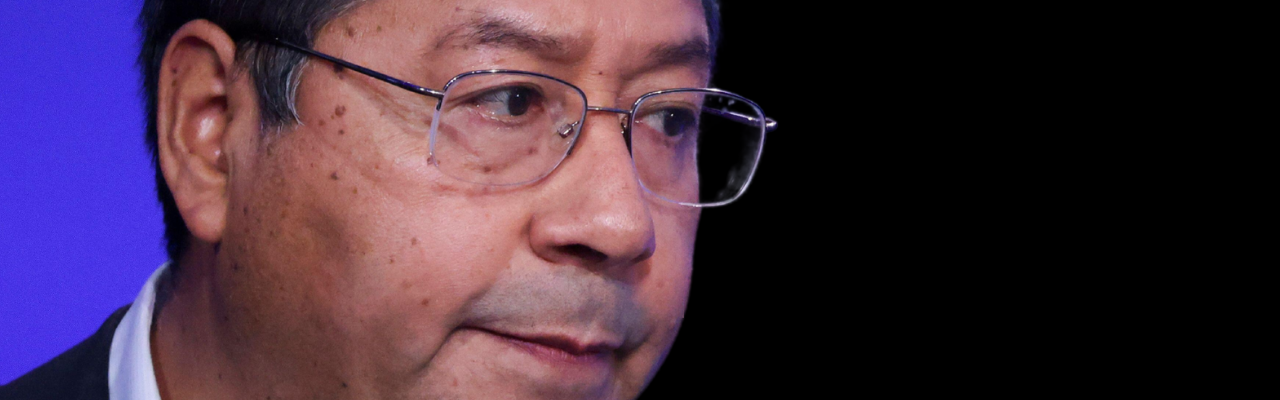
The first round of Bolivia’s presidential election on 17 August saw a total collapse for the ruling left-wing Movimiento al Socialismo (MAS), with its candidate Eduardo del Castillo finishing in sixth place with just 3.17% of the vote, narrowly surpassing the 3% cut-off below which a party loses its legal status.

Uribe verdict roils Colombia ahead of 2026 elections
The guilty verdict that was passed upon Colombia’s former president Álvaro Uribe (2002-2010) on 28 July was one of the most anticipated in the country’s recent history, and has been met with drastically differing responses on the left and right.
Environmental setbacks threaten Amazon and trade deals in Brazil
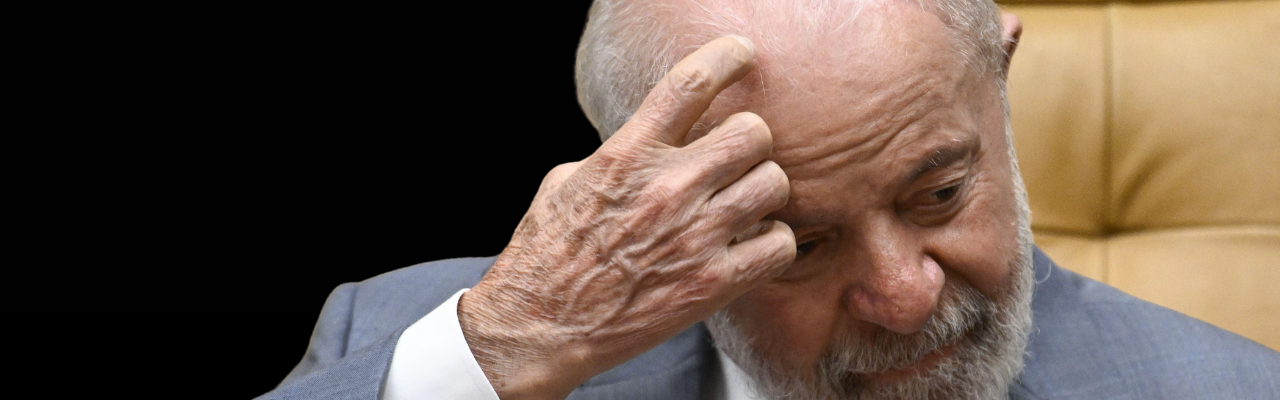
When Luiz Inácio Lula da Silva returned to the presidency of Brazil in early 2023, he promised to end the predatory environmental practices promoted by his predecessor Jair Bolsonaro (2019-2023), particularly in the Amazon rainforest.

Woes mount for Milei in Argentina
On 17 September Argentina’s central bank (BCRA) intervened to prop up the peso, as the lower chamber rejected more of President Javier Milei’s vetoes and anti-government protesters took to the streets, reflecting the mounting challenges facing the Milei administration ahead of October’s mid-term elections.

Trump rides to Milei’s rescue
Argentina’s President Javier Milei heaped praise on his US peer Donald Trump this week for helping to avert an incipient economic crisis. Sustained pressure on Argentina’s currency and economy this month led to the central bank (BCRA) burning through precious international reserves in a vain attempt to prop up the peso.

In search of stability and peace in Haiti
The outgoing humanitarian coordinator for Haiti at the United Nations (UN), Ulrika Richardson, was reported on 12 August as describing the situation that she was leaving behind in Haiti as “strikingly horrific”.
Bukele continues to follow autocrat’s playbook in El Salvador
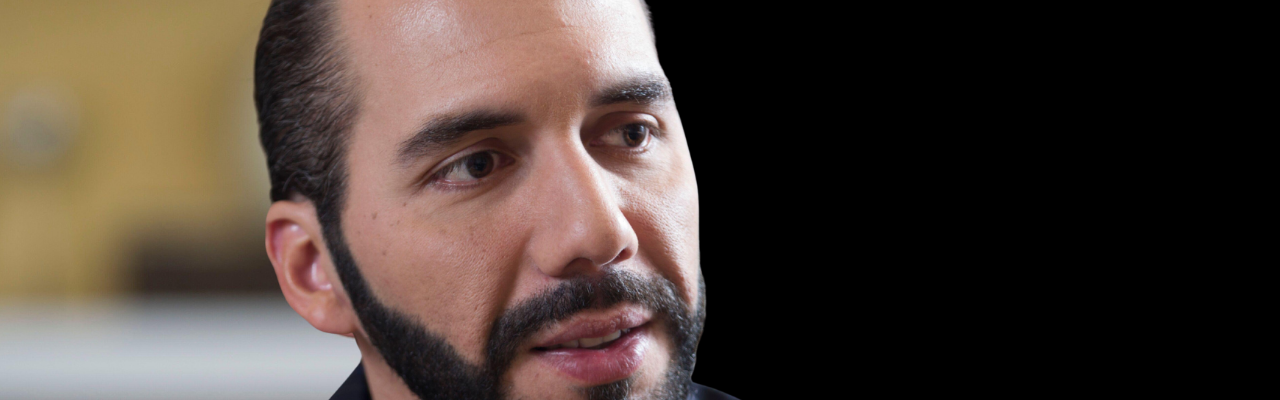
In his latest attempt to expand his political power, El Salvador’s President Nayib Bukele has succeeded in abolishing presidential term limits in the country.
Explore more at LatinNews.com
